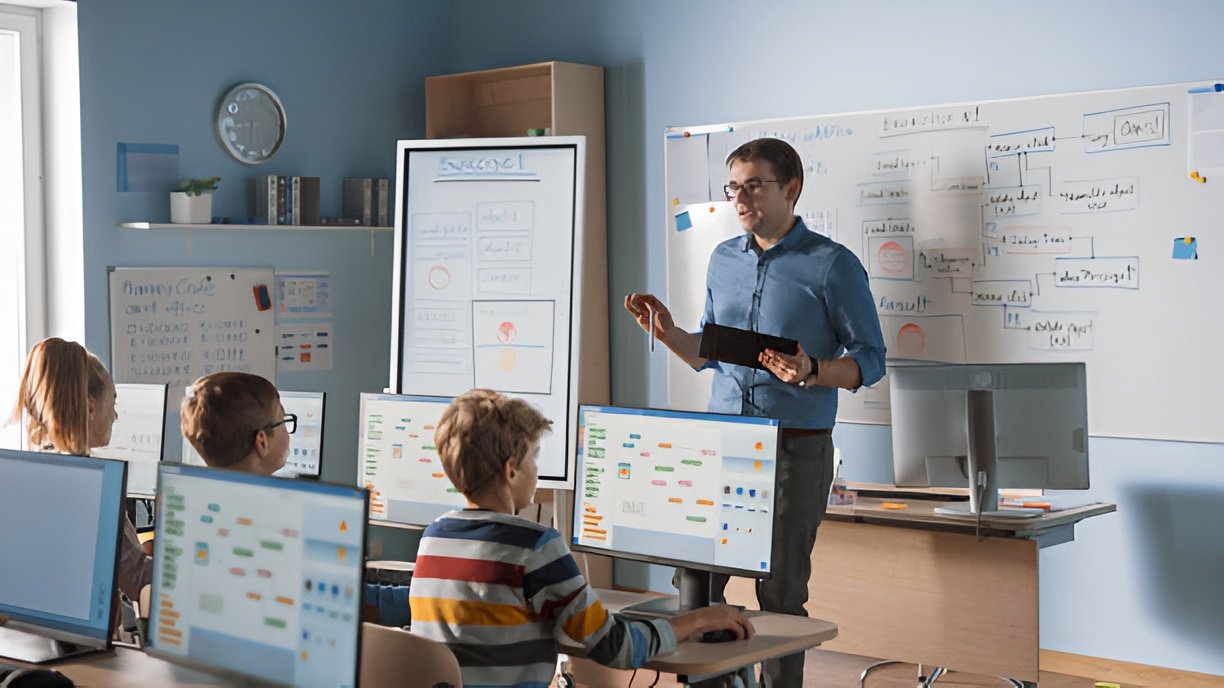
As education continues to evolve, technology is becoming an essential part of modern classrooms. In 2026, innovative tools and strategies are transforming how students learn, collaborate, and engage with content. Incorporating technology into classrooms is no longer optional—it is a necessity for creating interactive, efficient, and personalized learning experiences. This article explores the most impactful classroom technology ideas that educators can use to enhance learning outcomes and keep students engaged.
By integrating the right technology, teachers can foster creativity, critical thinking, and collaboration. The focus on classroom technology ideas in 2026 reflects how schools and educational institutions are embracing digital transformation to prepare students for the future. These innovations range from interactive devices to artificial intelligence tools, virtual reality experiences, and data-driven learning systems, each offering unique benefits.
The Role of Technology in Modern Classrooms
Technology in classrooms has shifted the learning environment from traditional lecture-based instruction to dynamic, interactive experiences. Teachers now have access to tools that allow real-time feedback, digital assessments, and personalized learning plans. By implementing classroom technology ideas, educators can cater to diverse learning styles, ensuring that all students receive the support they need.
Digital platforms, such as learning management systems, make it easier for teachers to organize lesson plans, assignments, and student progress. Students benefit from access to educational resources anytime, anywhere, which encourages independent learning. Additionally, classroom technology encourages collaboration, enabling students to work on projects in groups, communicate via digital channels, and share ideas in creative ways.
Interactive Learning Tools for Engagement
Interactive tools are among the most effective classroom technology ideas in 2026. Smartboards and interactive displays replace traditional chalkboards, allowing teachers to create dynamic presentations and lessons. Students can interact directly with digital content, annotate notes, and participate in live quizzes. This hands-on approach fosters engagement and makes learning more memorable.
Educational apps and gamified platforms are also reshaping the learning experience. These tools introduce challenges, rewards, and interactive scenarios that motivate students to engage with content actively. For example, apps designed for math or science can adapt to each student’s skill level, providing a personalized learning journey. Gamification not only makes lessons enjoyable but also encourages healthy competition and improves retention of knowledge.
Leveraging Artificial Intelligence in Education
Artificial intelligence is revolutionizing classrooms by providing personalized learning experiences. AI-powered tools can analyze student performance, identify areas of difficulty, and offer tailored resources to address knowledge gaps. By integrating AI into teaching strategies, educators can ensure that each student receives instruction aligned with their individual needs.
AI-driven virtual tutors are another innovative classroom technology idea. These systems can assist students with homework, practice exercises, and exam preparation outside of classroom hours. This allows teachers to focus on interactive lessons and personalized instruction while ensuring students receive continuous support. Predictive analytics powered by AI also help educators monitor learning patterns, anticipate challenges, and intervene proactively to improve outcomes.
Virtual Reality and Augmented Reality Experiences
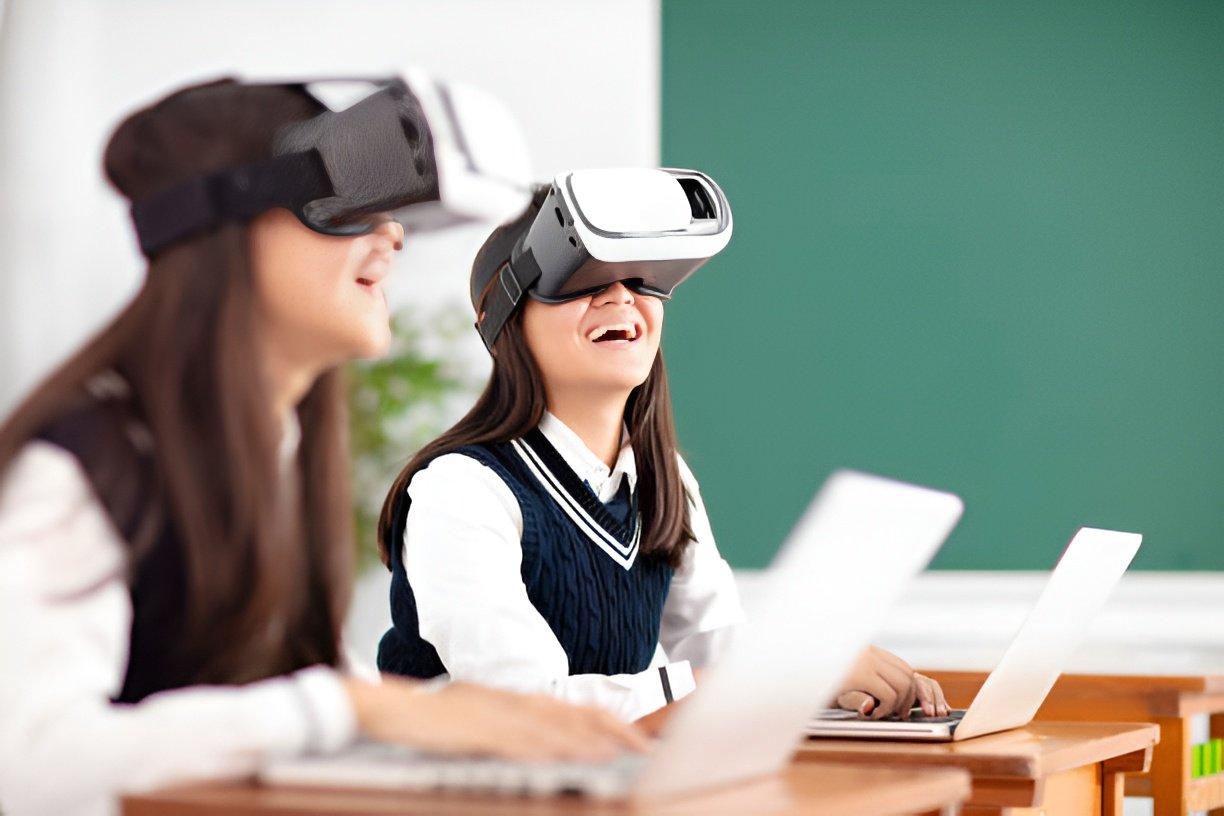
Virtual reality (VR) and augmented reality (AR) are among the most transformative classroom technology ideas for 2026. These immersive technologies allow students to experience concepts in ways that were previously impossible. For example, history lessons can be enhanced with virtual tours of historical sites, while biology students can explore complex anatomy in 3D models.
AR applications overlay digital information on the real world, enriching lessons and providing interactive demonstrations. Science experiments, engineering simulations, and geography lessons can all benefit from VR and AR tools, making abstract concepts tangible. These technologies increase engagement, enhance understanding, and provide opportunities for experiential learning that is both memorable and impactful.
Cloud-Based Learning Platforms
Cloud technology has transformed the way educational content is stored, accessed, and shared. Cloud-based learning platforms are a core part of modern classroom technology ideas, offering seamless collaboration and remote access. Teachers can upload lesson materials, assignments, and resources, allowing students to access content from any device.
These platforms also support collaborative projects where students can work together in real time, even when they are not physically in the same classroom. Teachers can monitor contributions, provide feedback, and evaluate performance efficiently. Cloud-based systems also streamline administrative tasks, such as grading, attendance tracking, and reporting, freeing up time for educators to focus on teaching.
Enhancing Communication and Collaboration
Effective communication is essential in modern classrooms, and technology plays a pivotal role in enhancing it. Messaging apps, discussion forums, and video conferencing tools are powerful classroom technology ideas for connecting students and teachers. These tools allow for real-time interaction, sharing of ideas, and collaborative problem-solving.
Digital discussion platforms encourage students to participate in debates, ask questions, and provide peer feedback. Video conferencing extends learning beyond the classroom, enabling guest lectures, virtual field trips, and global collaborations. These technologies not only enhance learning but also prepare students for a digital workforce where communication and collaboration are increasingly online.
Data-Driven Insights for Teachers
Data analytics tools are becoming essential in classrooms as part of advanced classroom technology ideas. By tracking student performance, attendance, and engagement, these tools provide actionable insights that help teachers adjust instruction methods and lesson plans.
For example, educators can identify which students are struggling with specific concepts and offer targeted support. Similarly, performance trends can inform curriculum adjustments, ensuring lessons are optimized for comprehension and retention. By leveraging data, teachers can make informed decisions that improve overall learning outcomes while also providing individualized support for students.
Affordable and Practical Technology Solutions
Not all effective classroom technology ideas require large budgets. Many affordable tools, such as tablets, document cameras, and budget-friendly learning apps, can significantly enhance learning experiences. Schools can also use shared devices or implement blended learning strategies to maximize resources.
Teachers can integrate free or low-cost online platforms that offer interactive lessons, quizzes, and educational games. Even simple technologies, such as online polls or collaborative whiteboards, can transform lessons by promoting engagement and active participation. By prioritizing usability, accessibility, and interactivity, educators can ensure that classroom technology is both practical and impactful.
Preparing Students for the Future
One of the primary goals of implementing classroom technology ideas is to prepare students for a future where digital literacy is essential. By exposing students to interactive tools, AI-driven systems, cloud platforms, and collaborative technologies, schools equip them with the skills needed for higher education and the workforce.
Students learn problem-solving, critical thinking, and digital communication skills in real-world contexts. They gain familiarity with tools that are widely used in professional environments, giving them a competitive edge. Integrating technology thoughtfully ensures that students are not only consumers of digital content but also creators and innovators.
Conclusion
The integration of technology in classrooms is no longer a trend but a necessity in 2026. Implementing classroom technology ideas transforms learning by making it interactive, personalized, and engaging. From smartboards and educational apps to AI-driven tutoring, VR and AR experiences, cloud-based platforms, and data analytics, the possibilities are vast and impactful.
By embracing these technologies, educators can improve student participation, enhance understanding, and foster creativity and collaboration. Affordable and practical solutions ensure that technology is accessible to all classrooms, regardless of budget. As digital tools continue to evolve, forward-thinking schools will use these innovations to prepare students for a connected, technology-driven future, making classroom technology an integral part of modern education.